Process Sensors
AS3250Fermentation pH Electrode
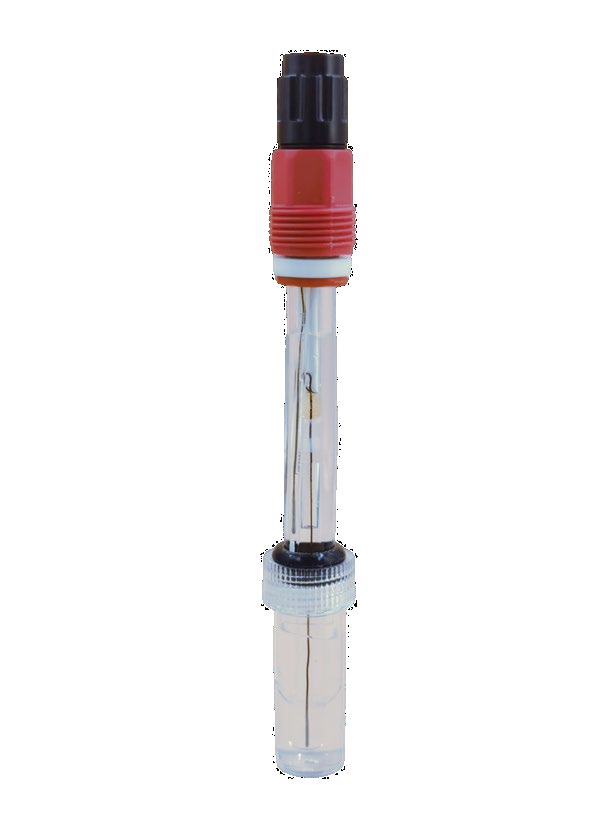
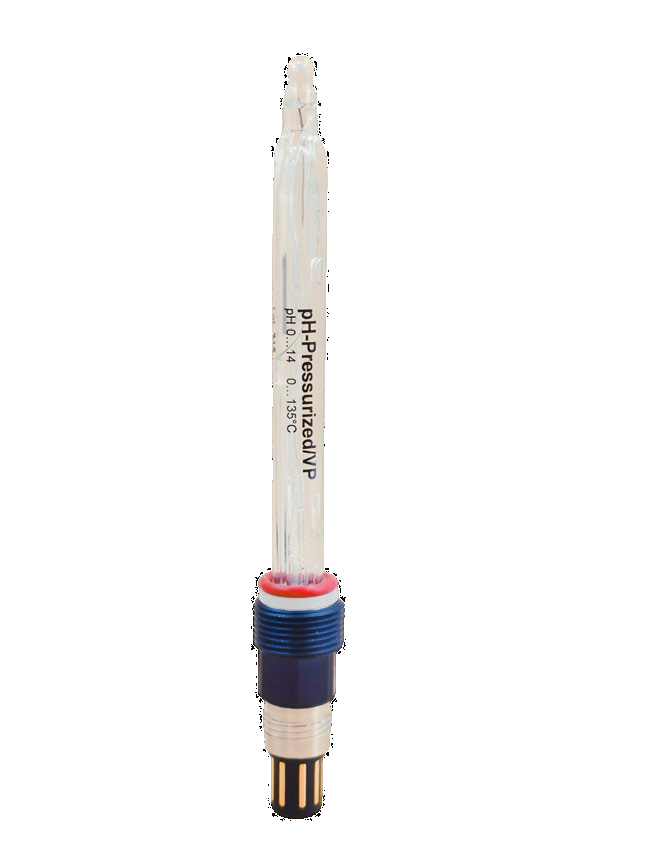
The AS3250 is a pH electrode for fermentation and bioprocess vessels. Its pressurized gel reference, silver-ion trap and high-impedance glass membrane are designed to improve stability through repeated SIP or autoclave cycles.
Technical overview
Published configuration data
Values below describe catalog or typical configurations. The confirmed quotation and model code define the supplied specification.
- Range
- 0-12 pH
- Temperature
- 0-130°C
- Pressure
- 0-5 bar
- Process thread
- PG13.5
- Lengths
- 120-425 mm and custom
- Temperature sensor
- PT1000 with VP option
Key characteristics
Why engineers consider AS3250
- Pressurized reference system
- Silver-ion trap
- High-temperature gel
- Multiple insertion lengths
Typical applications
Where it fits
- 01Fermentation vessels
- 02Bioreactors
- 03Food fermentation
- 04Sterilizable process skids
Selection checklist
Confirm these conditions before ordering.
Sending this information helps CurioSens verify the measurement principle, materials, range and interface.
- 01Process medium and composition
- 02Minimum, normal and maximum measuring range
- 03Operating and sterilization temperature
- 04Operating pressure and pressure peaks
- 05Pipe or tube size and process connection
- 06Required output, power supply and control interface
Engineer-reviewed FAQ
Questions about AS3250
Application answers reviewed for compatibility, selection, installation and maintenance.
What sensor maintenance factors should be evaluated before purchasing online liquid analyzers?+
Evaluating long-term maintenance costs is vital when choosing liquid analytical sensors. Traditional liquid-filled or gel pH sensors experience electrolyte depletion over time, whereas models like the AS3250 utilize silver ion traps and pressurized reference systems to minimize drift during steam sterilization. Optical dissolved oxygen sensors like the AS6860i eliminate polarographic electrolyte refilling and membrane cap replacements entirely. For conductivity, electrodeless inductive sensors like the AS7250 remove polarization and electrode fouling in dirty fluids. Because maintenance intervals depend on process chemical exposure and CIP cycles, exact maintenance schedules must be confirmed for the selected configuration. Provide your medium, flow range, pressure, temperature, viscosity, tube size, process connection, and required output.
maintenanceHow do high process temperatures impact the selection of pH, DO, and conductivity sensors?+
High operating temperatures degrade standard analytical sensors by softening seals, increasing reference electrolyte diffusion, and damaging glass membranes. The AS3250 pH electrode utilizes special high-temperature gel formulations and 400 Mohm glass impedance to withstand steam sterilization up to 130°C. The AS6800 polarographic DO sensor features a 316L body and reinforced steel mesh membrane head rated for 135°C sterilization at 1.5 bar. For conductivity, PEEK-molded AS7250 inductive sensors operate up to 150°C and 12 bar. Automatic temperature compensation must be configured in paired transmitters. Since combined high temperature and chemical aggressiveness reduce lifespan, performance must be confirmed for the selected configuration. Send us your medium, flow range, pressure, temperature, viscosity, tube size, process connection, and required output.
compatibilityWhich pH electrode is engineered specifically to withstand repeated SIP steam sterilization cycles?+
The AS3250 pH electrode is a versatile bioprocess sensor designed for demanding fermentation vessels requiring frequent SIP or autoclaving up to 130°C (32 to 266°F). Its 400 Mohm high-impedance glass membrane withstands severe thermal shocks, while the silver ion capture trap prevents sulfide precipitation and diaphragm clogging. The pre-pressurized gel electrolyte supports operating pressures from 0 to 5 bar (with features rated up to 6 bar), ensuring stable reference potential. Standard fitting options include PG13.5 threads with VP6, S8, or K8S connectors and PT1000 temperature sensors. Because specific media formulations impact glass erosion rates, long-term life must be confirmed for the selected configuration. Provide your medium, flow range, pressure, temperature, viscosity, tube size, process connection, and required output to verify sizing.
selectionHow do I choose between VP, S8, and AK9 cable connectors for my pH electrode installation?+
Selecting the correct electrode connector depends on sensor wiring and environmental sealing needs. The VP (VarioPin) multi-pole connector system (VP6/VP8) carries both high-impedance glass pH signals and integrated PT1000/PT100 temperature sensor lines in one shielded cable, providing IP68 moisture protection ideal for moist or steam-sterilized bioprocess vessels. Standard coaxial connectors like S8 (paired with AS9 cables) or K8S/K9 (paired with AK9 cables) connect single-variable pH signals, requiring separate temperature wiring if needed. Cable options include standard lengths from 1m to 30m. High-humidity environments mandate sealed VP connections. Exact pinouts must be confirmed for the selected configuration. Share your medium, flow range, pressure, temperature, viscosity, tube size, process connection, and required output.
compatibilityWhat is the purpose of a silver ion trap in biopharmaceutical pH electrodes?+
In biopharmaceutical culture media and proteins containing sulfides or sulfur compounds, standard Ag/AgCl reference electrodes release trace silver ions that react at the ceramic liquid junction. This reaction forms insoluble silver sulfide (Ag2S) precipitates, clogging the junction pores and causing measurement noise, slow response, and large pH offset after steam sterilization. The silver ion capture trap built into sensors like the AS3250 binds silver ions internally before they reach the diaphragm. This maintains clear electrolyte outflow, extends electrode operating life, and reduces post-SIP recalibration drift. Chemical compatibility with strong sulfide solutions must be confirmed for the selected configuration. Send your medium, flow range, pressure, temperature, viscosity, tube size, process connection, and required output for analysis.
comparisonWhich low-flow meters and liquid sensors are suited for biopharmaceutical fermentation systems?+
Biopharmaceutical fermentation demands sterile, highly repeatable process instrumentation. For pH tracking, the AS3250 electrode withstands repeated 130°C SIP cycles with its 400 Mohm glass membrane and silver ion trap. For dissolved oxygen, the AS6860i optical sensor provides zero-polarization, zero-electrolyte measurement with USP Class VI EPDM seals and 316L polished surfaces (Ra <= 0.4 um). Non-contact liquid flow monitoring on flexible single-use tubing is handled by the FS-9X clamp-on ultrasonic meter (OD 6 to 12.7mm). Transmitter integration is simplified using B Series DIN Rail units. Clean-in-place chemical resistance must be confirmed for the selected configuration. Please supply your medium, flow range, pressure, temperature, viscosity, tube size, process connection, and required output for a tailored bioprocess package.
selectionRelated instruments