Process Sensors
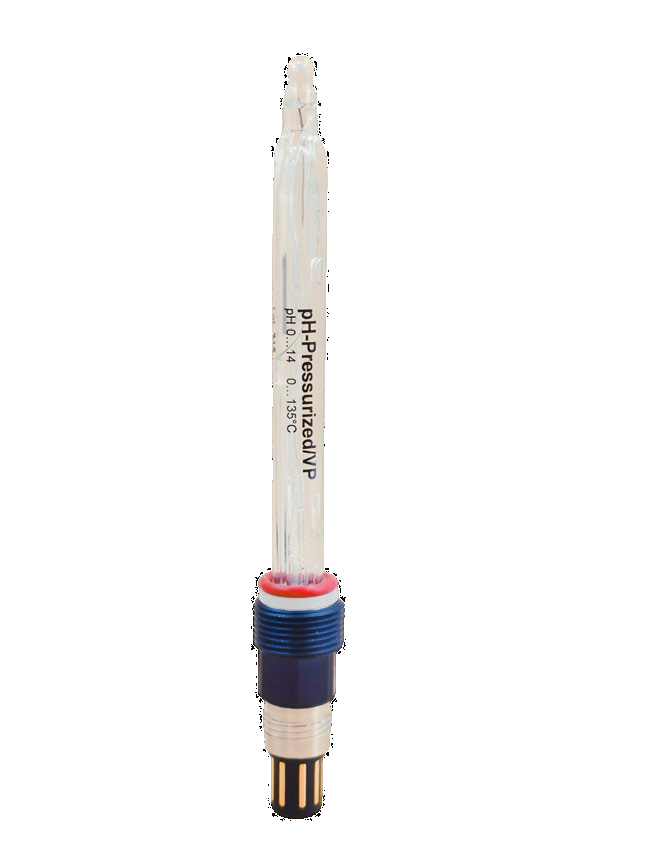
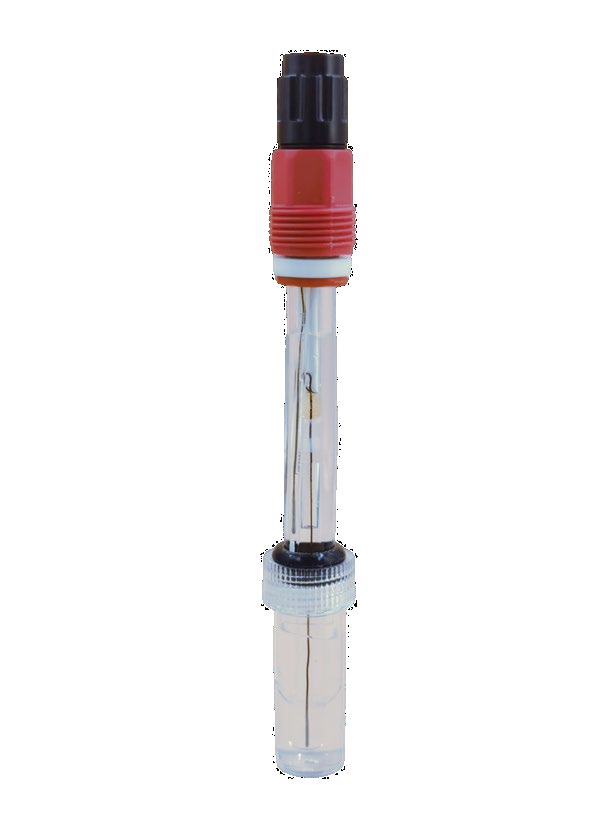
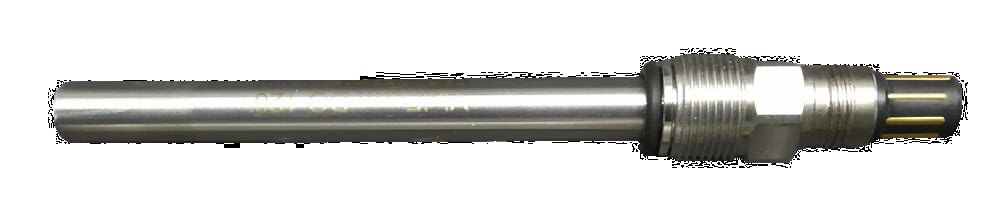
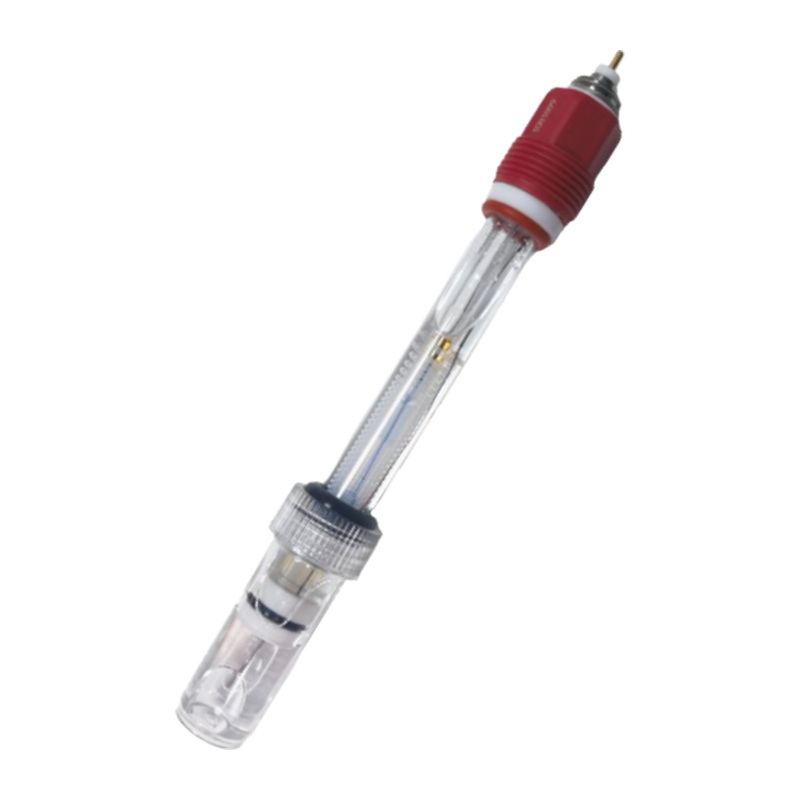
AS4030Chemical-resistant pH Electrode
The AS4030 uses a pressure-compensated double-gel reference chamber and PTFE annular junction to resist demanding chemical media. Its long diffusion path supports stability under temperature, pressure and poisoning conditions.
Technical overview
Published configuration data
Values below describe catalog or typical configurations. The confirmed quotation and model code define the supplied specification.
- Range
- 0-14 pH
- Temperature
- -5 to 100°C
- Pressure
- 0-5 bar at 100°C / 0-10 bar at 25°C
- Process connection
- PG13.5
- Junction
- PTFE annular diaphragm
- Lengths
- 120-425 mm and custom
Key characteristics
Why engineers consider AS4030
- Double-gel reference chamber
- Pressurized reference
- PTFE annular junction
- Chemical-resistant construction
Typical applications
Where it fits
- 01Chemical reactors
- 02Acid and alkali monitoring
- 03Solvent processes
- 04Poisoning media
Selection checklist
Confirm these conditions before ordering.
Sending this information helps CurioSens verify the measurement principle, materials, range and interface.
- 01Measured parameter and expected range
- 02Process medium and possible contaminants
- 03Operating and cleaning temperature
- 04Operating pressure and pressure peaks
- 05Process connection and insertion length
- 06Transmitter, cable connector and temperature element
Engineer-reviewed FAQ
Questions about AS4030
Application answers reviewed for compatibility, selection, installation and maintenance.
How does the AS4030 pH electrode resist poisoning from strong oxidizers and organic solvents?+
In chemical process lines containing strong oxidizers, organic solvents, or toxic compounds, standard reference junctions become contaminated quickly. The AS4030 industrial pH electrode employs Swiss sensor technology featuring a dual Ag/AgCl reference system with a double gel chamber. This creates an extended diffusion path, while the outer annular PTFE diaphragm prevents ingress of aggressive chemicals, acids, alkalis, and poisons. It operates across 0-14 pH, temperatures from 5°C to 100°C, and pressures up to 10 bar at 25°C (5 bar at 100°C). Connectors include VP6, AK9, and S8 with PG13.5 threads. Solvent swelling compatibility for the PTFE ring must be confirmed for the selected configuration. Contact our engineering team with your medium, flow range, pressure, temperature, viscosity, tube size, process connection, and required output.
compatibilityRelated instruments