Process Sensors
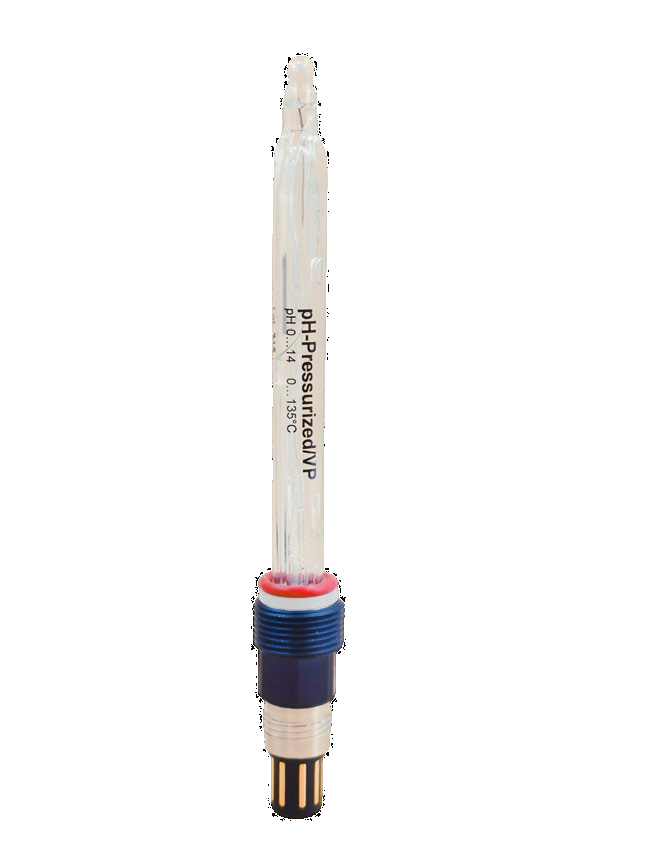
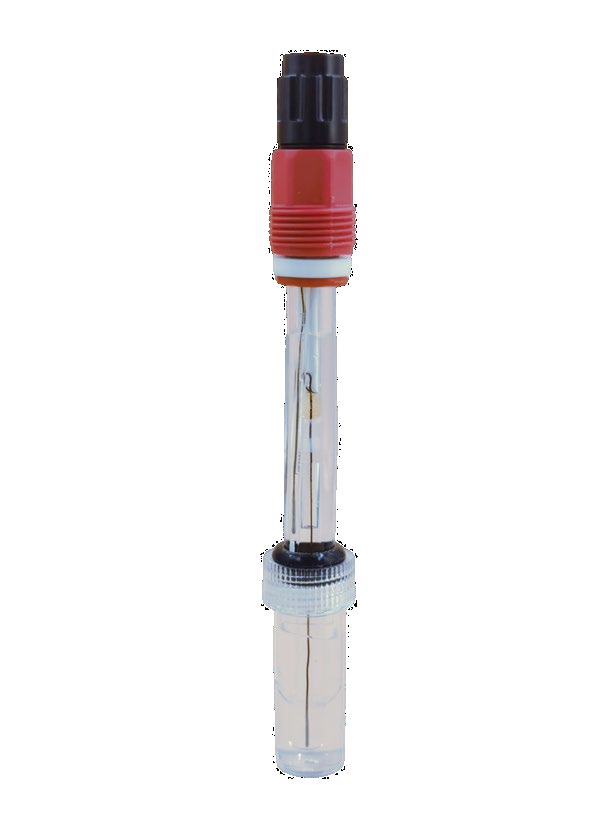
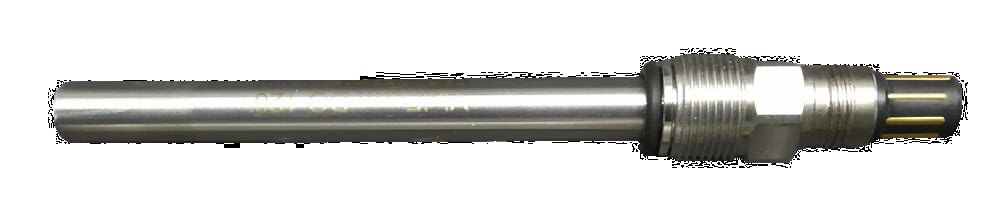
AS4260Open-junction pH Electrode
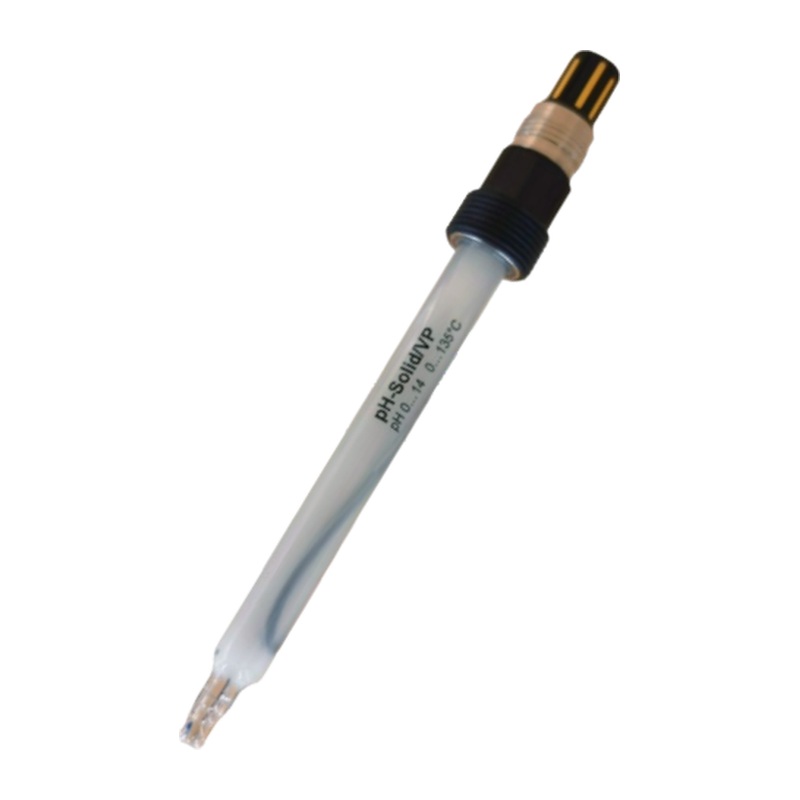
The AS4260 uses two open liquid junctions and solid polymer electrolyte to reduce clogging in heavily polluted or high-solids media. It is suitable for demanding temperature and pressure conditions where ceramic junctions may block.
Technical overview
Published configuration data
Values below describe catalog or typical configurations. The confirmed quotation and model code define the supplied specification.
- Range
- 0-14 pH
- Temperature
- 0-135°C
- Pressure
- 0-5 bar at 135°C / 0-15 bar at 25°C
- Process connection
- PG13.5
- Junction
- Two open liquid junctions
- Electrolyte
- Solid polymer
Key characteristics
Why engineers consider AS4260
- Open-junction anti-clogging design
- Solid polymer electrolyte
- High-temperature capability
- Multiple insertion lengths
Typical applications
Where it fits
- 01Wastewater
- 02High-solids liquids
- 03Polluted process streams
- 04Pulp and slurry applications
Selection checklist
Confirm these conditions before ordering.
Sending this information helps CurioSens verify the measurement principle, materials, range and interface.
- 01Measured parameter and expected range
- 02Process medium and possible contaminants
- 03Operating and cleaning temperature
- 04Operating pressure and pressure peaks
- 05Process connection and insertion length
- 06Transmitter, cable connector and temperature element
Engineer-reviewed FAQ
Questions about AS4260
Application answers reviewed for compatibility, selection, installation and maintenance.
Why is the AS4260 pH electrode recommended for media with heavy particulate fouling?+
Suspended solids, slurries, and precipitating salts quickly block porous ceramic diaphragms on traditional pH sensors, causing rapid signal loss. Manufactured in Switzerland, the AS4260 pH electrode features two open liquid junctions in direct contact with a solid polymer electrolyte. Without a ceramic diaphragm, particulate fouling and clogging are completely avoided. The solid polymer electrolyte withstands severe thermal and mechanical stresses up to 135°C and pressures up to 15 bar at 25°C (5 bar at 135°C). Measuring range covers 0-14 pH with S8 or VP6 connectors and PG13.5 threads. Abrasion resistance under high fluid velocity must be confirmed for the selected configuration. Share your medium, flow range, pressure, temperature, viscosity, tube size, process connection, and required output for confirmation.
selectionRelated instruments