Process Sensors
AS7250Inductive Conductivity Sensor
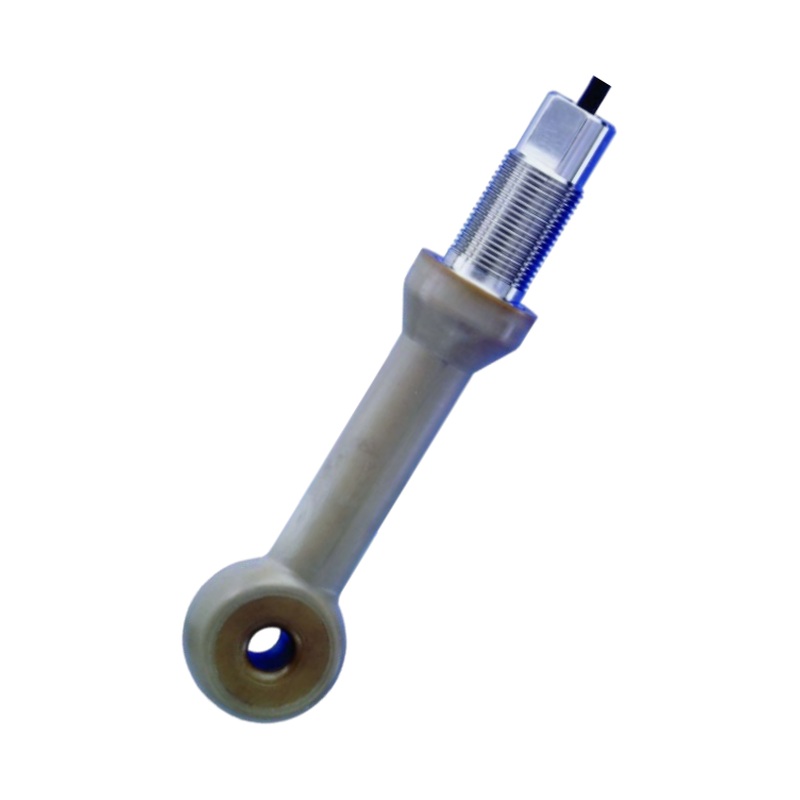
The AS7250 is an inductive conductivity sensor with PEEK or PFA wetted materials. Its toroidal principle avoids exposed measuring electrodes and supports wide-range acid, alkali, CIP and concentration applications.
Technical overview
Published configuration data
Values below describe catalog or typical configurations. The confirmed quotation and model code define the supplied specification.
- Range
- 0.05-2000 mS/cm
- Temperature
- -20 to 150°C
- Pressure
- 0-12 bar
- Principle
- Inductive conductivity
- Body
- PEEK / PFA
- Temperature sensor
- PT1000
Key characteristics
Why engineers consider AS7250
- No exposed measurement electrodes
- PEEK or PFA construction
- Wide conductivity range
- CIP/SIP-resistant design
Typical applications
Where it fits
- 01Acid concentration
- 02Caustic concentration
- 03CIP phase monitoring
- 04Corrosive chemical processes
Selection checklist
Confirm these conditions before ordering.
Sending this information helps CurioSens verify the measurement principle, materials, range and interface.
- 01Measured parameter and expected range
- 02Process medium and possible contaminants
- 03Operating and cleaning temperature
- 04Operating pressure and pressure peaks
- 05Process connection and insertion length
- 06Transmitter, cable connector and temperature element
Engineer-reviewed FAQ
Questions about AS7250
Application answers reviewed for compatibility, selection, installation and maintenance.
How do high process temperatures impact the selection of pH, DO, and conductivity sensors?+
High operating temperatures degrade standard analytical sensors by softening seals, increasing reference electrolyte diffusion, and damaging glass membranes. The AS3250 pH electrode utilizes special high-temperature gel formulations and 400 Mohm glass impedance to withstand steam sterilization up to 130°C. The AS6800 polarographic DO sensor features a 316L body and reinforced steel mesh membrane head rated for 135°C sterilization at 1.5 bar. For conductivity, PEEK-molded AS7250 inductive sensors operate up to 150°C and 12 bar. Automatic temperature compensation must be configured in paired transmitters. Since combined high temperature and chemical aggressiveness reduce lifespan, performance must be confirmed for the selected configuration. Send us your medium, flow range, pressure, temperature, viscosity, tube size, process connection, and required output.
compatibilityWhy use an inductive toroidal conductivity sensor like AS7250 for CIP concentration monitoring?+
Clean-In-Place (CIP) systems utilize aggressive chemical concentrates such as 2-5% sodium hydroxide and nitric acid solutions that rapidly corrode or foul traditional contacting conductivity electrodes. The AS7250 inductive (toroidal) sensor measures conductivity magnetically through enclosed primary and secondary coils inside a seamless PEEK or PFA toroidal housing. Covering 0.05 to 2000 mS/cm across temperatures from -20°C to 150°C and pressures up to 12 bar, it withstands thermal shocks and CIP chemical attack without maintenance. When paired with CurioSens transmitters, internal acid/base concentration tables automatically convert mS/cm into solution weight percentage. Concentration curve selection must be confirmed for the selected configuration. Send your medium, flow range, pressure, temperature, viscosity, tube size, process connection, and required output.
selectionWhat body materials are available for the AS7250 electrodeless conductivity sensor to withstand acids?+
Aggressive process streams containing concentrated sulfuric acid, hydrochloric acid, or hot caustic solutions destroy metal electrodes. The AS7250 inductive conductivity sensor encapsulates its toroidal coils entirely inside chemical-resistant PEEK or PFA polymers. PEEK offers mechanical strength and resistance to CIP thermal cycling up to 150°C and 12 bar pressure. PFA provides chemical inertness against harsh oxidizing acids. Both materials feature smooth, non-porous surfaces that resist scale buildup and biological fouling. Process mounting options include companion flanges or threaded fittings with integrated PT1000 temperature elements. Material selection for specific acid concentrations must be confirmed for the selected configuration. Share your medium, flow range, pressure, temperature, viscosity, tube size, process connection, and required output for assistance.
compatibilityWhat is the difference between contacting 2-electrode, 4-electrode, and inductive conductivity sensors?+
Selecting conductivity technology depends on fluid conductivity and fouling potential. 2-pole contacting sensors like the AS7000 measure current between two stainless steel electrodes, providing maximum precision in ultrapure water lines (0-2000 uS/cm). 4-electrode sensors like the AS7100 use separate drive and sense electrodes to eliminate polarization across medium-to-high ranges (0.02-500 mS/cm) in pharmaceutical buffers. Inductive toroidal sensors like the AS7250 use magnetic coils in a PEEK/PFA torus, measuring highly conductive or dirty liquids (0.05-2000 mS/cm) electrodelessly without surface fouling. Sensor cell constant matching must be confirmed for the selected configuration. Provide your medium, flow range, pressure, temperature, viscosity, tube size, process connection, and required output for recommendation.
comparisonRelated instruments